
A Clear Look at Taekwondo, Karate, Jiu-Jitsu, Muay Thai, Filipino Arts, Tai Chi, and Qigong
One of the most common concerns people quietly carry before walking into a martial arts or Tai Chi class has nothing to do with getting hurt.
It’s this:
“Is this going to conflict with my religion?”
Parents ask it about their kids.
Adults think it but hesitate to say it out loud.
And it’s a fair question, because when you walk into a class you see bowing, meditation, breathing exercises, rituals, and sometimes unfamiliar terminology. To someone unfamiliar with the history, it can look like worship.
But here is the important reality:
These practices are not religious instruction. They are training methods that developed inside cultures where philosophy and daily life were intertwined.
In other words, the behavior may look spiritual, but historically its purpose was practical.
To understand why, we need to step back and look at how these arts actually developed.
First, a Key Distinction
There is a difference between:
A practice that comes from a culture influenced by religion
and
A practice designed to convert someone into a religion
Martial arts fall into the first category.
Every civilization trained warriors. But no warrior culture survives long if its fighters panic, freeze, or lose emotional control under stress. Over time, cultures discovered that mental training mattered as much as physical training. Long before modern psychology existed, they used the tools available to them: philosophy, breathing, stillness, and etiquette.
Today we call that:
- emotional regulation
- focus training
- situational awareness
- nervous system control
Historically, they described it with the language they had.
Let’s walk through the arts one by one.
Taekwondo (Korea): Character Education, Not Worship
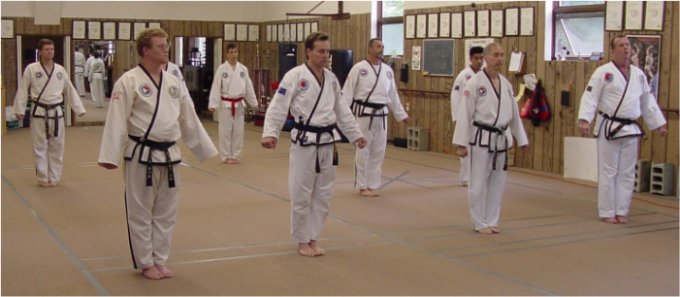
Korean martial arts were shaped primarily by Confucian philosophy and secondarily by Buddhist influence. Confucianism is not a religion in the Western sense. It contains no required deity worship. It is an ethical system about behavior: respect for parents, discipline, humility, and social responsibility.
That is exactly what you see in a Taekwondo school:
- bowing to the instructor
- addressing seniors respectfully
- lining up by rank
- reciting principles about integrity and perseverance
The bow is not prayer.
It is a physical expression of respect, the same function as shaking hands, saluting, or standing for a judge in a courtroom.
Meditation occasionally appears in traditional schools, but again its purpose was simple: calm the mind before training so the student can pay attention and learn safely.
There is no religious doctrine being taught. No student is asked to adopt beliefs, attend services, or accept theology.
It is closer to a character-development classroom than a religious ceremony.
Japanese Jiu-Jitsu & Judo: Mental Training for Survival
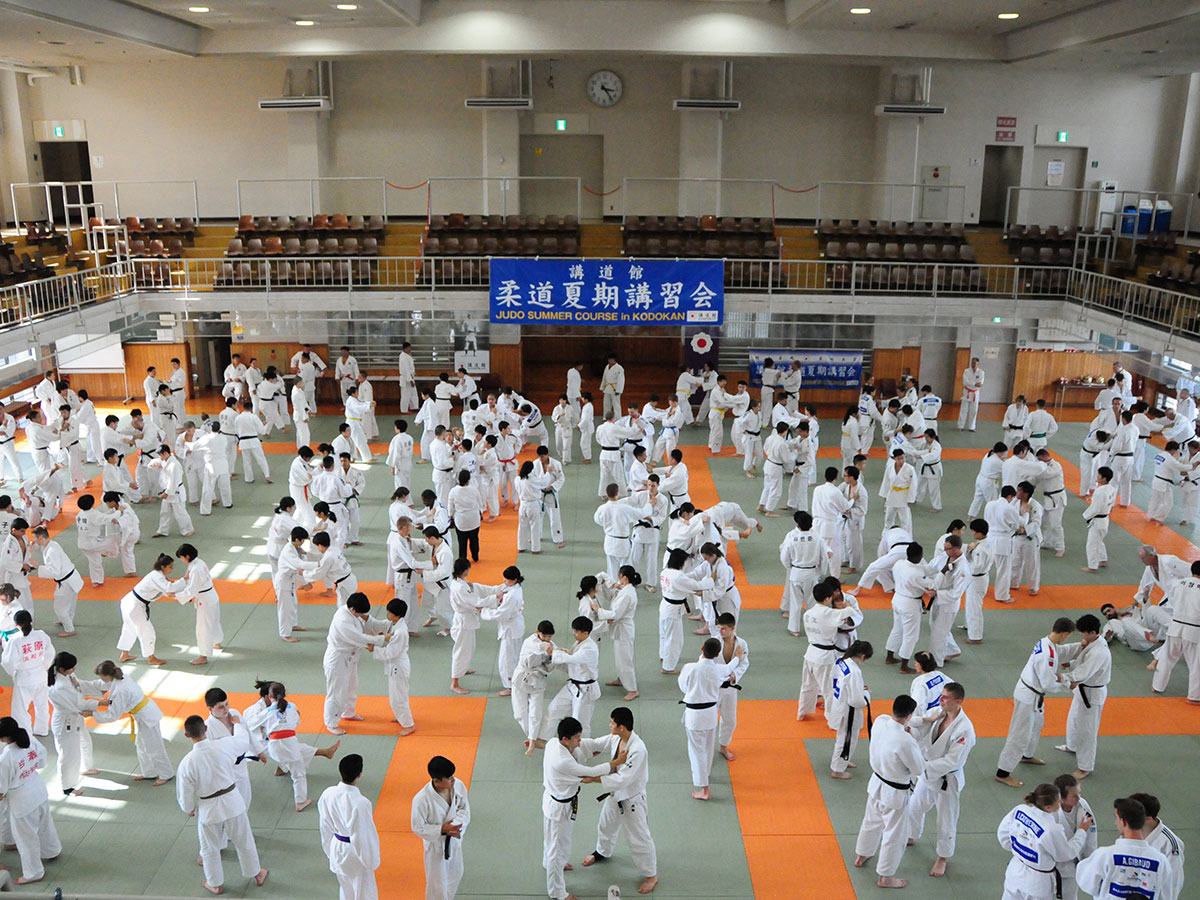
Japanese martial systems grew out of the samurai. Samurai culture was influenced by Zen Buddhism and Shinto, but that influence functioned as mental training, not conversion.
The kneeling at the beginning of class (mokuso) is often misunderstood. It is not prayer. It is silent breathing and attention, essentially what modern sports psychology now teaches athletes before competition: settle the mind so reactions become clear.
Zen training emphasized:
- staying calm under pressure
- acting without hesitation
- awareness of the present moment
These were survival traits on a battlefield.
The bowing inside a dojo was also practical. It established mutual safety. Two people about to practice throwing each other needed trust. The ritual signaled: we train seriously but we protect each other.
Modern neuroscience now confirms something the samurai discovered through experience, a calm nervous system reacts faster and more accurately than a panicked one. What they called “no-mind,” psychologists now call attentional regulation.
No one in a jiu-jitsu or judo class is being asked to accept Buddhist theology. They are being taught composure.
Karate: A Blend of China and Japan
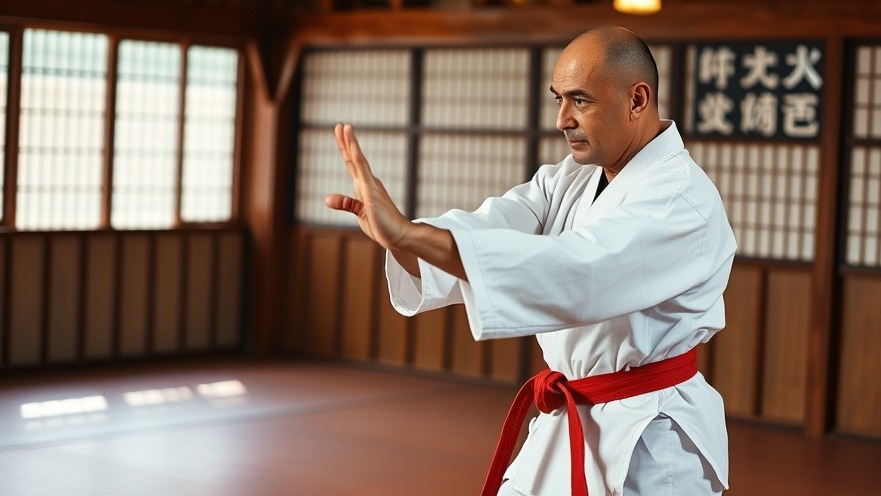
Karate originated in Okinawa, a trading hub between China and Japan. Because of this, it absorbed Chinese Taoist ideas, Confucian ethics, and later Japanese Zen influence.
Karate’s famous concept mushin, the “empty mind”, is not mystical. It describes a mental state athletes experience in many sports: action without overthinking.
The meditation at the start of class serves the same function as a basketball player calming themselves before a free throw. It is preparation, not devotion.
Historically, karate masters taught self-control because the techniques were dangerous. A person who cannot control anger should not learn to strike effectively. The ethical instruction was safety training, not religious conversion.
Muay Thai: Gratitude, Focus, and Psychological Readiness

Muay Thai has the most visibly spiritual ceremony: the Wai Kru and Ram Muay performed before a fight.
This is often misunderstood.
The ritual serves three practical purposes:
- honors the teacher (gratitude builds loyalty and discipline)
- calms nerves before combat
- centers attention
Modern sports psychology now uses identical methods, visualization, breathing routines, and pre-performance rituals. Fighters today might bounce, shadowbox, or repeat a phrase before competition. Thai fighters used structured movement and breathing.
The Buddhist environment shaped the culture, but fighters are not required to become Buddhist to train or compete. In fact, international Muay Thai competitors from every religion, Christian, Muslim, Jewish, Hindu train and fight without conflict.
The ceremony functions as mental preparation.
Filipino Martial Arts (Kali, Eskrima, Arnis): Practical Awareness
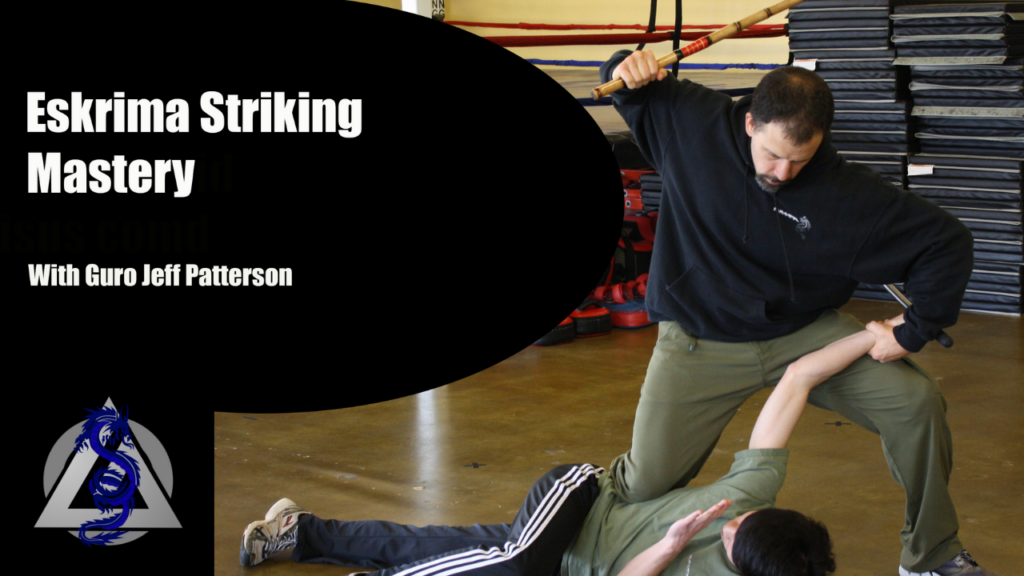
Filipino arts are the least religiously structured of all.
They developed in villages and warrior families, not temples or monasteries. Training focused on survival — timing, distance, and perception. Later, Spanish Catholic culture influenced the surrounding society, but the training itself remained practical.
There is usually no meditation ritual, no bowing requirement, and no doctrine. The “mind training” occurs through reacting to fast movement and unpredictability.
These arts demonstrate something important: the calming and awareness benefits of martial training appear even when no spiritual symbolism exists.
Tai Chi and Qigong: Philosophy and Health
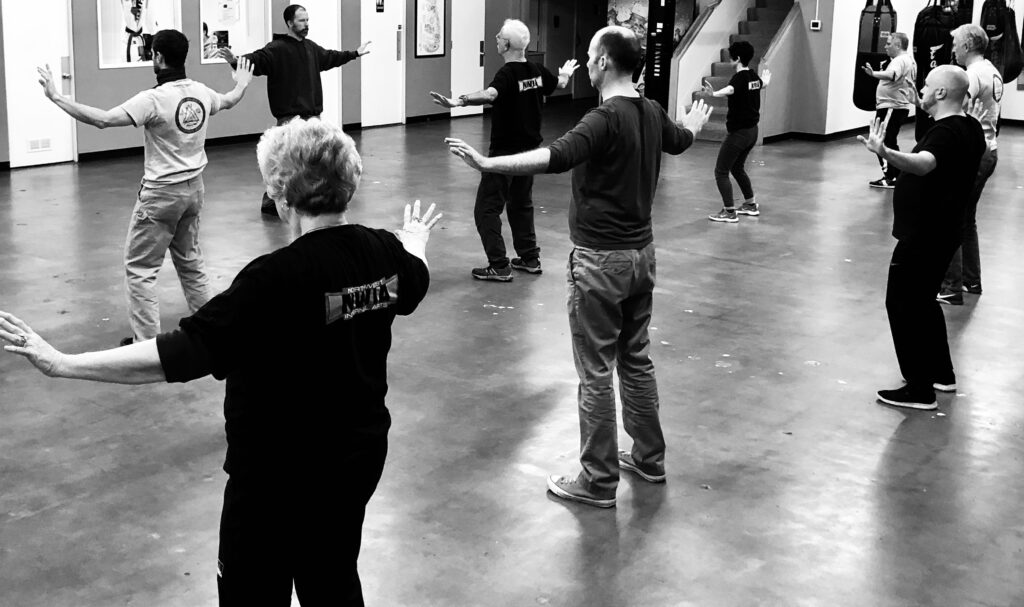
Tai Chi and Qigong are often assumed to be religious because they use ideas from Taoist philosophy and Chinese medicine.
But historically, they functioned as health and longevity practices. Farmers, soldiers, scholars, and elders practiced them to improve circulation, posture, breathing, and mental clarity.
No belief is required to benefit from slow breathing or relaxed movement. Modern research shows:
- slow breathing reduces stress hormones
- gentle movement improves balance and joint health
- focused attention improves cognitive control
Taoist language described harmony with nature because ancient observers noticed patterns: tension leads to fatigue, overexertion leads to injury, rest restores function. The philosophy explained the observation; the practice trained the body.
Today these same exercises are used in hospitals, physical therapy clinics, and senior centers across the world, including religious hospitals of many faith traditions.
Evidence Across Cultures
Here is perhaps the clearest evidence that martial arts are not religious instruction:
They are practiced worldwide by people of every religion.
You will find:
- Christian pastors training jiu-jitsu
- Muslim fighters competing in Muay Thai
- Jewish athletes practicing karate
- Buddhist monks training boxing
- secular athletes practicing Tai Chi for injury prevention
None of these communities view training as abandoning their faith.
Why?
Because the actions themselves, breathing, posture, attention, discipline, are neutral human skills. The practitioner decides the meaning.
A person can meditate and pray.
A person can bow and still worship only their own God.
A person can practice Tai Chi as physical therapy.
The activity does not assign belief.
Why Ritual Exists At All
Ritual in martial arts serves three functions:
- Safety – establishes respect so training partners protect each other
- Focus – prepares attention before demanding activity
- Consistency – signals the brain to enter a learning state
Modern neuroscience now shows that repeated preparatory actions improve concentration and reduce anxiety. Athletes create routines for this exact reason.
What older cultures called discipline, psychology now calls state regulation.
The Real Concern
Often the worry is not about the physical practice.
It is about unintended influence.
But consider this:
No martial arts school requires belief in a deity, recitation of theology, or participation in worship services. Students are not asked to change faiths. Instructors teach movement, self-control, and awareness.
If anything, many practitioners find the opposite effect. Learning to quiet the mind often strengthens their existing religious life because they can pray, reflect, and concentrate more clearly.
The practice does not replace faith.
It improves attention.
A Helpful Way to Understand It
Reading a philosophy is not the same as worshipping it.
Studying Greek philosophy does not make someone Greek.
Learning yoga breathing does not change religious identity.
Training a martial art does not assign belief.
You are learning a skill.
The bow is respect.
The breathing is regulation.
The meditation is focus.
The meaning comes from you.
Final Thoughts
Every culture that trained people for high-stress situations discovered the same truth: physical skill without mental control fails under pressure. So they created methods to stabilize attention and emotion.
Over centuries, those methods became tradition. Today they sometimes look ceremonial, but their function is practical.
Martial arts, Tai Chi, and Qigong are not systems competing with religion. They are systems training the human nervous system.
Your beliefs remain your own.
And in many cases, people find the unexpected outcome:
calmer thinking, steadier emotions, better health, and clearer reflection actually help them live their faith more consistently, not less.
So the question is not whether these arts are religious.
The real question is simpler:
Are breathing, awareness, discipline, and respect safe for a person to learn?
History across cultures and across faiths has answered yes.